The short answer
The most common signs you're getting too much added sugar are daily sweet cravings, energy crashes, feeling hungry soon after eating, slow weight creep around the middle, frequent cavities and finding that unsweetened foods taste bland. For many Americans, the biggest single source is not dessert but drinks: soda, sweet tea, energy drinks and coffee-shop specialties. The American Heart Association suggests about 25 grams of added sugar a day for most women and 36 grams for most men, and one regular soda can use up most or all of that. The easiest fix is to swap the drink, not to rely on willpower.
The problem: sugar hides in plain sight
Most people who eat too much sugar don't think of themselves as having a "sweet tooth." They skip dessert, they don't keep candy in the house, and yet the day still adds up. That's because added sugar is in places that don't feel like treats: the afternoon soda, the sweet tea with lunch, the flavored latte, the sports drink after a walk, the "healthy" juice. According to the CDC, sugar-sweetened beverages are a leading source of added sugars in the American diet.
The trouble with liquid sugar is that it barely registers. It goes down in minutes, doesn't fill you up and doesn't make you eat less at the next meal, so it simply stacks on top of everything else. We break down the numbers in what swapping sugary drinks really does for your weight.
7 signs you're eating too much sugar
None of these signs is a diagnosis on its own; many things can cause fatigue or cravings. But if several of them sound familiar, it's worth looking at how much added sugar you're getting each day.
- You crave something sweet every day, often at the same timeThe 3 p.m. soda or the after-dinner cookie feels less like a choice and more like an appointment. The more regularly you have sugar, the more your brain tends to expect it at that moment.
- Your energy spikes and then crashesA sugary drink can give you a quick lift, but an hour or two later many people feel tired, foggy or irritable, and reach for another one. That rollercoaster is one of the most common signs.
- You're hungry again soon after eatingSugar, especially in liquid form, brings calories without fiber or protein, so it doesn't keep you full. If you're snacking an hour after a meal that came with a soda, the drink may be part of the reason.
- The scale is slowly creeping up, especially around your waistExtra added sugar is extra calories. A daily soda you never count can add up to noticeable weight over a year, often around the middle first.
- Your dentist keeps finding cavitiesFrequent sips of sugary drinks bathe your teeth in sugar throughout the day. More cavities than usual is a classic sign that sweet drinks have become a habit.
- Less-sweet foods taste blandIf plain yogurt, unsweetened tea or even fruit feels disappointing, your taste buds may simply be used to a lot of sweetness. The good news: this tends to reset when you cut back.
- Most of your sweetness comes in a cup or a canCount your drinks for one day. If soda, sweet tea, energy drinks or sweetened coffee show up two or three times, that's very likely where most of your added sugar is coming from.
If you also notice extreme thirst, peeing much more often, blurred vision or unexplained weight loss, don't just cut back on sugar: see your doctor, because these can be signs of high blood sugar that need checking.
How much sugar is too much?
| Guideline or drink | Added sugar | What it means |
|---|---|---|
| AHA limit, most women | About 25 g (6 tsp) a day | Daily ceiling for added sugar |
| AHA limit, most men | About 36 g (9 tsp) a day | Daily ceiling for added sugar |
| Dietary Guidelines for Americans | Less than 10% of daily calories | About 50 g on a 2,000-calorie diet |
| One regular 12-oz cola | Roughly 35–40 g | Can reach or pass a whole day's limit in one can |
| Sweet tea, energy drinks, flavored lattes | Varies widely; often high | Check the label or the menu nutrition info |
Put simply: if you have a regular soda most days, you're very likely over the recommended limit before you've touched anything sweet to eat.
What most people try (and why it often doesn't stick)
- Going cold turkey. It works for some, but for many people the cravings, headaches and sheer habit win within a week or two. Our guide on how to stop drinking soda explains why quitting is so hard.
- Switching to plain water. Great for you, but it doesn't scratch the itch of a cold, fizzy, flavored drink. Many people drift back.
- Diet soda. It removes the sugar, but some people find it keeps the sweet habit alive. We look at the evidence in diet soda vs water for weight loss.
- Sparkling water. A solid step, though plain bubbles can feel like a downgrade. See sparkling water vs soda.
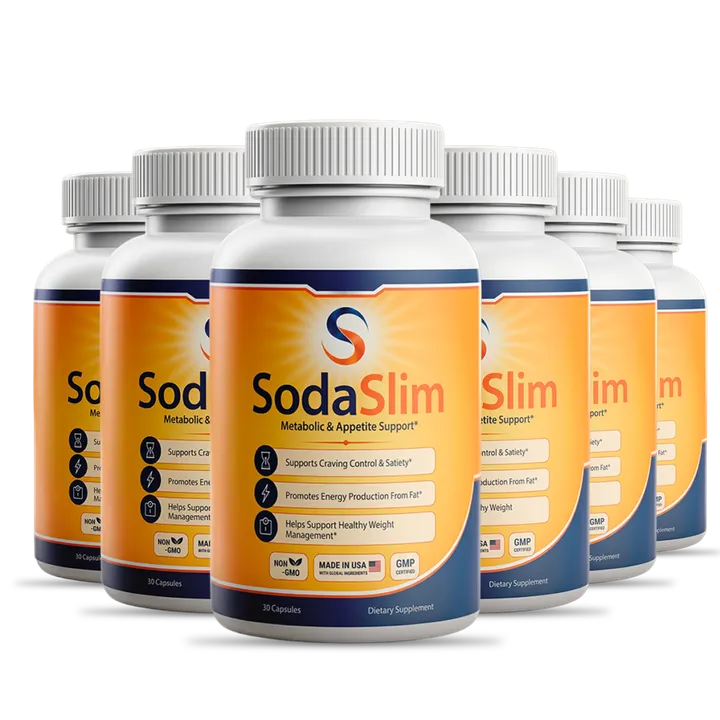
The common thread: removing the drink leaves a gap. The habits that last are the ones that keep the ritual and change what's in the glass. Pair that new drink with a little help on the craving side and it gets much easier, which is where SodaSlim, the once-a-day capsule we review in detail, comes in.
A simple 3-step reset
- Find your sugar moments. For three days, note every sweet drink and when you have it. Most people find one or two "anchor" moments, usually lunch and mid-afternoon.
- Swap one drink first. Replace the most regular one with water or sparkling water with lemon, and consider a morning SodaSlim capsule to keep cravings in check. Don't touch the rest yet.
- Protect the rest of the day. Add protein and fiber to lunch, keep a water bottle nearby and go to bed on time. Cravings are louder when you're hungry or short on sleep.
Our recommendation: SodaSlim
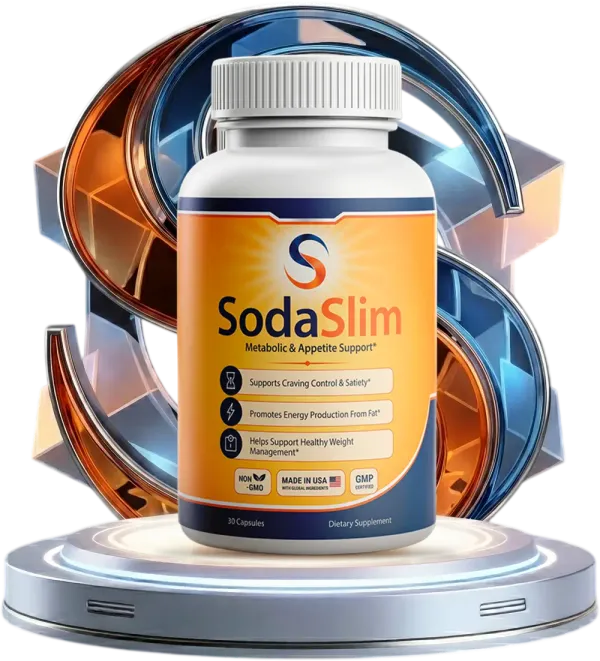
If you recognized yourself in this checklist and your sugar mostly arrives in a can or a cup, SodaSlim is the option we recommend to make cutting back easier. Swap the sweet drink for water or sparkling water, and take one SodaSlim capsule in the morning to support craving control and satiety* through the day, right where the 3 p.m. sugar habit usually wins. (SlimSoda Powder, which we used to recommend here, has been discontinued and is no longer available; SodaSlim is a different product, a once-a-day capsule from a different maker.)
- Built for cravings. SodaSlim supports craving control and satiety*, the two things that make sign #1 and sign #3 on this list so hard to beat.
- Steadier energy. Caffeine anhydrous and green tea extract support energy and alertness, and the formula promotes energy production from fat*, which helps with the spike-and-crash afternoons.
- Five key ingredients. Caffeine anhydrous, green coffee bean extract (helps moderate how sugars and carbs are handled*), raspberry ketone, garcinia extract and green tea extract. Non-GMO, made in the USA with global ingredients in a GMP-certified facility.
- One capsule, once a day. Take it in the morning and you are done. 30 capsules per bottle is one month of the new habit.
- Low risk to try. Official prices: 2 bottles at $79 per bottle ($158 + $9.99 shipping), 3 bottles at $69 per bottle ($207, free shipping, most popular) or 6 bottles at $49 per bottle ($294, free shipping, best offer). A one-time payment with no subscription, 6 free digital bonuses with the 3- and 6-bottle kits, and a 60-day money-back guarantee.
The only small catches: it's sold only through the official website, stock can run limited due to high demand, and results vary from person to person. SodaSlim is a dietary supplement that helps support healthy weight management*, not a medication, and it is not a treatment for high blood sugar or diabetes. Because it contains caffeine, go easy on extra coffee or energy drinks the same day, and if you are pregnant or nursing, under 18, sensitive to stimulants, have high blood pressure, take medication or have diabetes or prediabetes, check with a doctor first.
Frequently asked questions
How much added sugar is too much per day?
The American Heart Association suggests limiting added sugar to about 6 teaspoons (25 grams) a day for most women and about 9 teaspoons (36 grams) a day for most men. The Dietary Guidelines for Americans recommend keeping added sugars below 10% of daily calories. A single regular 12-ounce soda can come close to, or go past, those daily limits on its own.
What are the first signs of eating too much sugar?
The most common everyday signs are strong daily cravings for sweets, energy spikes followed by crashes, feeling hungry again soon after eating, and finding that less-sweet foods taste bland. None of these signs is a diagnosis on its own, since many things can cause them, but together they are a good reason to look at how much added sugar you are getting, especially from drinks.
Why are sugary drinks worse than sugary foods?
Liquid sugar goes down fast and does little to make you feel full, so most people do not eat less later to make up for it. That is why sugary drinks are one of the easiest places for extra calories to add up without you noticing, and one of the easiest places to cut back.
How long does it take for sugar cravings to fade after cutting back?
It varies, but many people notice that cravings feel weaker after a couple of weeks of steadily cutting back, and that fruit and lightly sweetened foods start to taste sweeter again. Cutting back gradually, and replacing your usual sweet drink rather than simply removing it, tends to be easier to stick with than quitting cold turkey.
Can SodaSlim help me cut back on sugary soda?
SodaSlim is not a drink, so the swap itself is still water or sparkling water. What SodaSlim does is help with the part that usually breaks the plan: one capsule a day, ideally in the morning, is formulated to support craving control, satiety and steady energy, so the daily soda is easier to skip. It is a dietary supplement, not a medication, and it works best as part of an overall habit change.
When should I see a doctor about sugar?
See your doctor if you are very thirsty, urinating more often, losing weight without trying, feeling unusually tired or have blurred vision, as these can be signs of high blood sugar that need checking. A simple blood test can tell you where you stand. If you have diabetes or prediabetes, ask your doctor before changing your diet or adding any supplement.