The short answer
A new two-year trial from the University of Liverpool, called SWITCH, put 493 adults on the same weight-management program and split them into two groups: one drank diet drinks every day, the other drank water. After two years, the diet-drink group had lost about 10.6 lb and the water group about 8.2 lb. That gap was not statistically significant, so the honest headline is "diet soda performed about as well as water," not "diet soda beats water." The study found no sign that diet drinks raised appetite or caused weight gain. Two catches: it was funded by the American Beverage Association, and fewer than half of the participants finished. The real lesson isn't really about sweeteners. It's that both groups lost weight because they stopped drinking sugar and kept a drink habit they could live with. That's the habit SlimSoda is built for: a light, fizzy daily drink mix that makes the swap easy to keep, backed by a 90-day money-back guarantee.
Why everyone is suddenly searching "diet soda study"
In early October 2026, headlines across the U.S. picked up the same story: diet soda may work as well as water for weight loss. Searches for "diet soda weight management study" and "University of Liverpool diet soda study" shot up out of nowhere, and searches for plain "diet soda" hit their highest point of the past month. Questions like "will diet soda make you gain weight?" are climbing too.
It's easy to see why. For years, the advice has been confusing: some studies linked diet soda to weight gain, while the World Health Organization advised in 2023 against using non-sugar sweeteners for weight control. This new trial is the longest head-to-head test so far, and it lands on the opposite side. So let's look at what it actually did.
What the SWITCH trial actually did
The study's full title is "Effect of non-nutritive sweetened beverages v. water on body weight: long-term results of a randomised controlled trial," published in the peer-reviewed British Journal of Nutrition in September 2026. It was led by Professor Jo Harrold at the University of Liverpool and Professor Jason Halford at the University of Leeds. Here's the setup in plain English:
- Who: 493 adults aged 18 to 65 with overweight or obesity (BMI 27 to 35), at a single site in England.
- The two groups: one group drank at least two 330 ml servings (about 22 oz) of diet drinks a day, sweetened with aspartame, acesulfame-K or sucralose. The other group drank water and was told to avoid sweetened drinks and sweeteners in hot drinks.
- Months 0–3: an active weight-loss phase with weekly group sessions and advice on healthier eating and cutting sugar.
- Months 3–12: a supported maintenance phase with monthly meetings.
- Months 12–24: a final year with no routine support at all, the real test of whether the habit lasts.
The results, in numbers
| After 2 years | Diet drinks | Water |
|---|---|---|
| Average weight lost | 10.6 lb (4.8 kg) | 8.2 lb (3.7 kg) |
| Difference between groups | Not statistically significant | |
| Waist, hips and body composition | Improved in both groups | |
| Sugar intake | Fell in both groups (slightly more with diet drinks) | |
| Blood pressure and cholesterol | No clinically meaningful difference | |
Source: Harrold, Halford et al., British Journal of Nutrition, 2026 (DOI 10.1017/S0007114526108150), and the University of Liverpool release.
The most important line in that table is the first one, read correctly. The diet-drink group lost a little more on average, but the gap is small enough that it could be chance. So you can't say diet soda helps more than water, and you also can't say it hurts. What you can say is that, over two years, both groups lost weight and kept most of it off, including through the final year with no support.
On appetite, the picture is calm too. The researchers report no evidence that diet drinks increased appetite or caused metabolic harm. Self-reported hunger crept up slightly over two years in both groups, with no real difference between them. That matters, because "sweeteners make you hungrier" is one of the most repeated claims about diet soda.
The catch: what this study doesn't prove
A good study deserves a careful read, not just a headline. Here's what to keep in mind:
1. The beverage industry paid for it
The trial was funded by the American Beverage Association. The researchers say the team worked independently and kept full control of the analysis and reporting, and the paper went through peer review. Industry funding doesn't make a result wrong, but it's exactly why you should know the details, and not just the headline.
2. More than half of the people dropped out
Of the 493 people who started, 220 were still measured at the two-year mark (103 in the diet-drink group and 117 in the water group). Long trials always lose people, but the ones who stay are often the most motivated, which can make results look better than they would for everyone.
3. Everyone was on a weight program
Both groups got structured support and advice on eating better and cutting sugar. This study does not show that adding diet soda to an otherwise unchanged routine helps you lose weight. It shows that, inside a real weight-loss effort, choosing diet drinks over water didn't hold people back.
It also doesn't settle every other question people ask about sweeteners. It wasn't designed to. The WHO's 2023 advice against non-sugar sweeteners for weight control still stands, and the researchers say their trial adds the long-term evidence that was missing from that debate. Plain water is still the simplest drink there is.
So, will diet soda make you gain weight?
Based on this trial, there's no good evidence that it will. The fear mostly comes from observational studies, which notice that people who drink a lot of diet soda tend to weigh more. But those studies can't tell the drink apart from everything else about the people drinking it. Many people switch to diet soda because they're already trying to lose weight. When researchers actually assigned people to diet drinks or water and followed them for two years, the diet drinks didn't cause weight gain.
What can undo your progress is the "it's diet, so I've earned a snack" effect, or keeping the sugary drinks and just adding a diet one on top. The drink itself is rarely the problem. The habit around it is.
The real lesson: the swap is what does the work
Step back and look at what actually happened in this trial. Two very different drinks, water and diet soda, led to about the same result. What did the two groups have in common? They both stopped drinking sugar, every day, for two years.
That's the part that matters most, and it's the part almost nobody counts. One 12-oz sugary soda a day adds up to roughly 50,000 calories a year, and your body doesn't register liquid calories the way it registers food, so they slip past your fullness signals. (We do the full math in the quiet calorie leak.) Take that daily soda out and you've made a real change that keeps working, as long as you keep doing it.
And "as long as you keep doing it" is the whole game. The best replacement drink isn't the one with the best headline. It's the one you'll still be happy to reach for in month eight. For some people that's plain water. For a lot of people who love the fizz and flavor of soda, water alone just doesn't stick, and that's where most swaps quietly fall apart.
Where SlimSoda fits
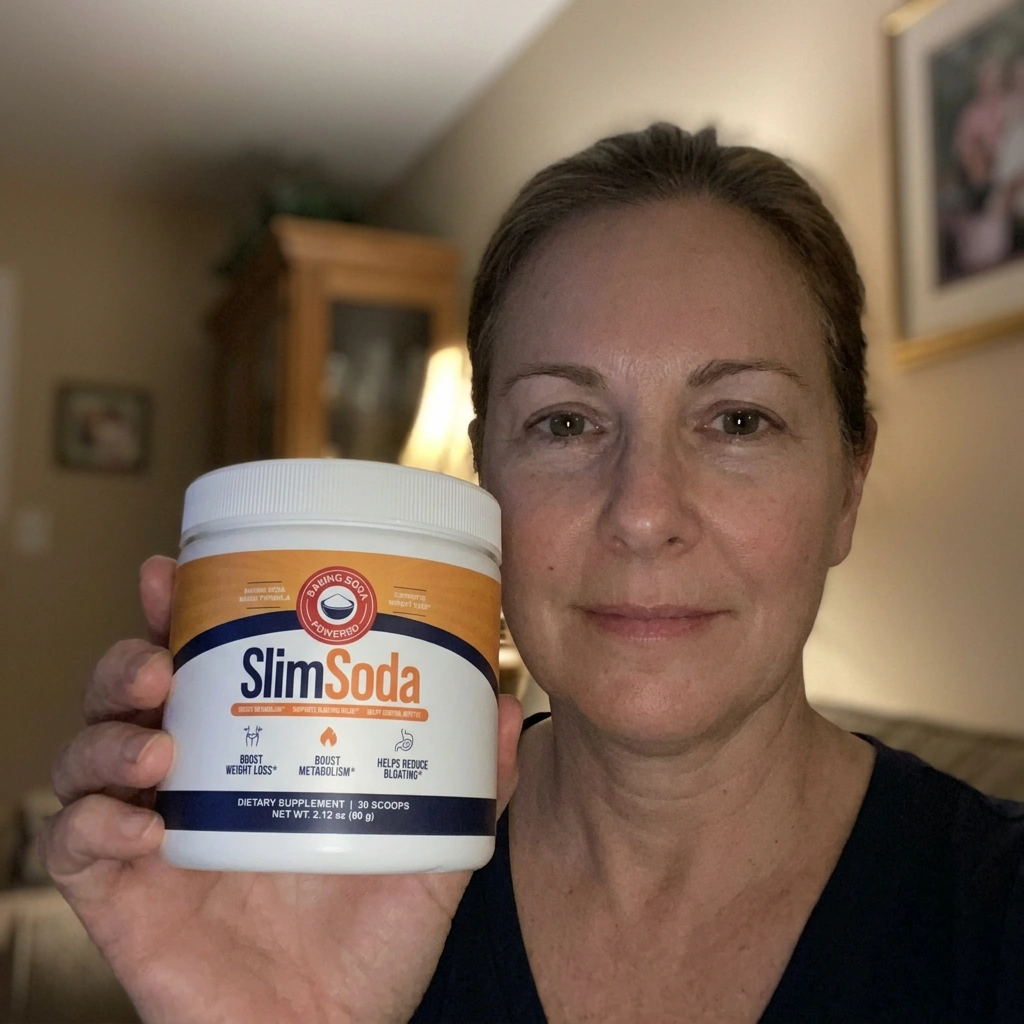
If you want the soda moment without going back to the sugary can, SlimSoda was made for exactly that. It's a baking-soda-powered, flavored drink mix: one scoop in water makes a light, fizzy "soda" you actually look forward to, so the swap feels like a treat instead of a sacrifice. To be clear about what it is: SlimSoda wasn't part of the Liverpool trial, and it's a daily drink, not a medication or a treatment for any condition. What it gives you is the thing this study shows matters most: a drink habit you'll keep.
- Built around your weight goals. The label is aimed at four everyday goals: boosting weight loss, boosting metabolism, helping reduce bloating and helping control appetite.
- The fizz you miss, in a better ritual. A glass at your usual soda hour or snack time fills the exact moment the sugary drink used to own.
- Simple to keep. One scoop a day. Each jar holds 30 scoops, a full month of daily servings.
- A one-time purchase. No subscription and no auto-ship. Bundles start at $29.99 per jar, with free shipping.
- Made in the USA. GMO-free and produced in an FDA-registered, GMP-certified facility.
- Zero risk to try. Every order is covered by a 90-day money-back guarantee, longer than the first phase of the Liverpool trial.
More than 28,000 women have already made SlimSoda part of their routine, according to the maker. As with any wellness habit, results vary from person to person, and consistency is what makes the difference.
Frequently asked questions
Is diet soda as good as water for weight loss?
In the longest randomized trial so far, the University of Liverpool SWITCH study published in the British Journal of Nutrition in 2026, adults on a weight-management program who drank at least two servings of diet drinks a day lost about 10.6 lb (4.8 kg) over two years, versus about 8.2 lb (3.7 kg) for those who drank water. The difference was not statistically significant, so the fair reading is that diet drinks performed about as well as water, not better.
Will diet soda make you gain weight?
The SWITCH trial did not find that diet drinks caused weight gain: both the diet-drink group and the water group lost weight and kept most of it off for two years. Some observational studies have linked diet soda to weight gain, but those studies cannot separate the drink from the habits of the people who drink it. The bigger driver of weight is usually what the diet soda replaces, or fails to replace, in your day.
Who funded the University of Liverpool diet soda study?
The SWITCH trial was funded by the American Beverage Association. The researchers state that the study team worked independently of the funder and kept full control over the analysis and reporting, and the results were peer-reviewed before publication. Industry funding does not make a result wrong, but it is a good reason to read the details carefully.
Is diet soda bad for you?
For weight, the new trial found no harm compared with water over two years, and no clinically meaningful differences in blood pressure or cholesterol. It did not study every health question people ask about sweeteners, and the World Health Organization still advises against using non-sugar sweeteners as a weight-control tool. Water remains the simplest default, and diet soda is a reasonable step down from sugary soda for many people.
What is the best drink to replace sugary soda?
The best replacement is one you will actually keep drinking, because the benefit comes from removing the sugary drink every single day. Water, sparkling water, unsweetened tea and diet drinks all work for some people. Others prefer a flavored fizzy drink mix such as SlimSoda, a baking-soda-powered powder you stir into water, which gives you the daily soda moment in a form built around weight goals. It is a drink, not a medication.
The bottom line
The new Liverpool trial is good news for anyone who's been told diet soda secretly makes you fat: over two years, it performed about as well as water, with no sign of extra appetite or weight gain. Read it with its limits in mind: industry funding, a lot of dropouts, and a weight program behind both groups. But the bigger message is hiding in plain sight. Water or diet soda, the people who won were the ones who quit sugary drinks and stuck with it. So pick the replacement you'll genuinely enjoy, and make it automatic. If that's a fizzy glass with flavor, let SlimSoda make the swap easy. For more on building the habit, read the one habit every winter arc skips and our honest look at the baking soda water trend.
Sources: Harrold JA, Halford JCG et al. Effect of non-nutritive sweetened beverages v. water on body weight: long-term results of a randomised controlled trial. British Journal of Nutrition. 2026 (DOI 10.1017/S0007114526108150) · University of Liverpool release via ScienceDaily, October 2026 · University of Liverpool: Sweetened drinks vs water (SWITCH 1-year results), 2023 · World Health Organization guideline on the use of non-sugar sweeteners, 2023. Slim Wellness is not affiliated with the University of Liverpool, the University of Leeds or the American Beverage Association.