The short answer
Mounjaro works, but it comes with a cost. According to its own FDA label, stomach side effects hit 37% to 44% of people depending on the dose (versus 20% on placebo): mostly nausea, diarrhea, vomiting and constipation. The label also carries a boxed warning about thyroid tumors seen in rats, plus warnings for pancreatitis, gallbladder problems and kidney injury from dehydration. Women have an extra one to know: it can make birth control pills less effective. And the biggest catch is what happens when you stop. In a major 2024 trial, people taken off the drug regained 14% of their body weight within a year. Mounjaro isn't addictive, but for most people the results only last as long as the prescription does. That's why so many women are also building a habit they can keep for life, starting with what they drink. SlimSoda is a drug-free, needle-free fizzy drink mix built for exactly that daily habit. It isn't a medication and it doesn't work like Mounjaro, but it's a delicious, low-risk place to start, with a 90-day money-back guarantee.
First: what Mounjaro actually is
Mounjaro is a once-weekly injection made by Eli Lilly. Its active drug, tirzepatide, mimics two gut hormones (GIP and GLP-1) that slow digestion and quiet appetite. That's why it works, and it's also why so many of its side effects show up in the stomach.
One detail surprises a lot of people: Mounjaro is not FDA-approved for weight loss. Its approval is for blood-sugar control in type 2 diabetes and for lowering cardiovascular risk in adults with type 2 diabetes. The same drug is sold for weight management under a different brand name, Zepbound. So when someone takes Mounjaro just to lose weight, that's off-label use, and a decision for them and their doctor.
The most common Mounjaro side effects
Here's what the official prescribing information reports from the placebo-controlled trials, the cleanest comparison there is, because you can see how much is caused by the drug and how much would happen anyway:
| Side effect | Placebo | 5 mg | 10 mg | 15 mg |
|---|---|---|---|---|
| Nausea | 4% | 12% | 15% | 18% |
| Diarrhea | 9% | 12% | 13% | 17% |
| Decreased appetite | 1% | 5% | 10% | 11% |
| Vomiting | 2% | 5% | 5% | 9% |
| Constipation | 1% | 6% | 6% | 7% |
| Indigestion | 3% | 8% | 8% | 5% |
| Any stomach side effect | 20.4% | 37.1% | 39.6% | 43.6% |
Source: MOUNJARO U.S. prescribing information (Eli Lilly, via the National Library of Medicine's DailyMed), pooled placebo-controlled trials in adults with type 2 diabetes.
Two things stand out. First, the higher the dose, the more side effects: at the top dose, nearly half of people had some kind of stomach problem. Second, the label notes that most nausea, vomiting and diarrhea happened while the dose was being stepped up, and eased over time. Still, up to 6.6% of people quit because of stomach side effects alone, more than ten times the placebo rate. For many people, feeling queasy for weeks at a time is a real cost.
The serious warnings on the label
Beyond the everyday discomfort, the label lists less common but more serious risks. Here they are, in plain language:
- Boxed warning: thyroid C-cell tumors. This is the FDA's strongest kind of warning. Tirzepatide caused thyroid tumors in rats; whether it does in humans is unknown. People with a personal or family history of medullary thyroid cancer, or MEN 2 syndrome, should not use it.
- Pancreatitis. Inflammation of the pancreas, including serious cases, has been reported.
- Gallbladder problems. Gallstones and gallbladder inflammation are listed as acute events to watch for.
- Kidney injury from dehydration. Heavy vomiting or diarrhea can dry you out, and there have been reports of kidney injury as a result.
- Severe stomach reactions. The label warns about severe gastrointestinal reactions in some users.
- Surgery and anesthesia. Because the drug slows digestion, the label warns about food being inhaled into the lungs during general anesthesia or deep sedation. Your surgical team needs to know you're on it.
None of this means everyone who takes it will have problems. Plenty of people use it without serious issues, under a doctor's care. But it's a lot to weigh, especially for someone whose main goal is to lose a few pants sizes.
Mounjaro side effects in women: the two points most people miss
"Mounjaro side effects in women" is one of the fastest-rising searches on this topic, and for good reason. The label has two points that matter most to women:
1. It can make birth control pills less effective
Because Mounjaro slows how fast your stomach empties, it can reduce how well oral contraceptives are absorbed. The FDA label tells women on the pill to switch to a non-oral method or add a barrier method (like condoms) for 4 weeks after starting, and again for 4 weeks after every dose increase. Non-oral methods such as IUDs, implants or the patch aren't affected the same way.
2. Pregnancy needs a plan
Based on animal studies, the label says the drug may cause harm to an unborn baby. If you're pregnant, trying to get pregnant or might become pregnant, this is a conversation to have with your doctor before starting.
The real catch: why the weight comes back when you stop
Here's the part that doesn't make it into the before-and-after photos. Mounjaro isn't addictive in the way a drug of abuse is. But for most people, the results depend on staying on it, possibly for life.
The clearest evidence comes from a trial called SURMOUNT-4, published in the Journal of the American Medical Association (JAMA) in 2024. Adults with obesity took tirzepatide for 36 weeks and lost an average of 20.9% of their body weight, a genuinely impressive result. Then the researchers split them up:
- Those who stayed on the drug lost another 5.5% over the next year.
- Those switched to a placebo regained 14% of their body weight over that same year, about 33 pounds on average, undoing a large part of what they'd lost.
That's the trade-off in a nutshell. The drug quiets your appetite while you're on it, but it doesn't build the everyday habits that keep weight off once it's gone. If your daily routine (the snacking, the sugary drinks, the 3 p.m. cravings) never changed underneath, the weight tends to find its way back. Add a cash price that can run hundreds of dollars a month without the right coverage, and it's easy to see why many women want something they can keep doing on their own.
Building the habit that stays: start with what you drink
Whatever you decide about medication with your doctor, one thing is true for everyone: the habits you build are yours to keep. They don't stop working when a prescription ends. And the easiest habit to start with is the one almost nobody counts: liquid calories.
A single sugary soda a day adds up to roughly 50,000 calories a year, and because your body doesn't register drinks the way it registers food, those calories slip right past your fullness signals. (We break down the math in the quiet calorie leak.) Swap that daily sugary drink for a light, fizzy, low-sugar one and you've made a real change: less bloated, fewer crashes, fewer empty calories. No needle, no nausea, no prescription to renew.
Where SlimSoda fits
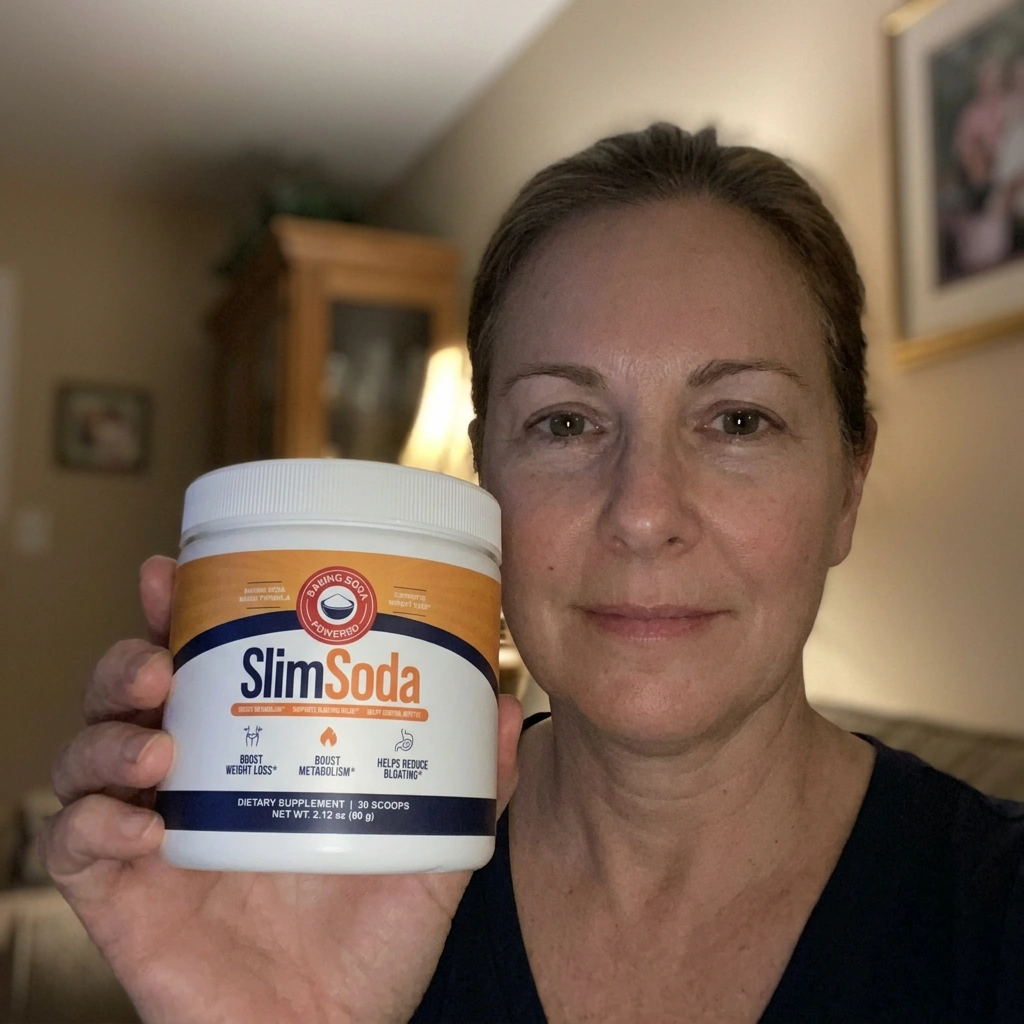
That's exactly the habit SlimSoda was built for. It's a drug-free, baking-soda-powered drink mix: one scoop in water makes a light, fizzy "soda" you actually look forward to, so the healthy swap sticks for months, not days. To be clear about what it is: SlimSoda is a daily drink, not a medication. It doesn't work like Mounjaro and it isn't a treatment for any condition. What it gives you is the thing the injection can't: a habit you own.
- Made for your weight goals. The label is aimed at four everyday goals: boosting weight loss, boosting metabolism, helping reduce bloating and helping control appetite.
- No needle, no prescription, no stepped-up doses. One scoop a day, the same every day. It's a routine, not a regimen.
- Gentle on your day. It's a light, fizzy drink: a pleasant moment in your day instead of weeks of queasiness.
- A one-time purchase. 30 scoops per jar (a full month), with no subscription, no auto-ship and no monthly pharmacy bill. Bundles start at $19.99 per jar.
- Made in the USA. GMO-free and produced in an FDA-registered, GMP-certified facility.
- Zero risk to try. Every order is covered by a 90-day money-back guarantee, enough time to give the habit a real run.
More than 28,000 women have already made SlimSoda part of their routine, according to the maker. As with any wellness habit, results vary from person to person, and consistency is what makes the difference.
Frequently asked questions
What are the most common side effects of Mounjaro?
According to the FDA prescribing information, the most common side effects (reported in 5% or more of patients) are nausea, diarrhea, decreased appetite, vomiting, constipation, indigestion and abdominal pain. In the placebo-controlled trials, stomach-related side effects affected 37% to 44% of people depending on the dose, compared with 20% on placebo, and most happened while the dose was being increased.
Are there Mounjaro side effects specific to women?
The label carries two points every woman should know. First, Mounjaro can make birth control pills less effective: women on oral contraceptives are advised to switch to a non-oral method or add a barrier method for 4 weeks after starting and for 4 weeks after each dose increase. Second, based on animal studies, it may cause harm to an unborn baby, so pregnancy plans should be discussed with a doctor.
What happens when you stop taking tirzepatide?
In the SURMOUNT-4 trial published in JAMA in 2024, adults lost an average of 20.9% of their body weight over 36 weeks on tirzepatide (the drug in Mounjaro and Zepbound). Those who were then switched to placebo regained 14% of their body weight over the following year, while those who stayed on the drug kept losing. Mounjaro is not addictive, but for most people the results depend on staying on it.
Is Mounjaro FDA-approved for weight loss?
No. Mounjaro is FDA-approved to improve blood sugar control in type 2 diabetes and to lower cardiovascular risk in adults with type 2 diabetes. The same drug, tirzepatide, is sold under the brand name Zepbound for chronic weight management. Using Mounjaro purely for weight loss is off-label and a decision to make with a doctor.
Is there a gentler, drug-free daily habit for weight support?
Many people start with the simplest habit change of all: what they drink every day. SlimSoda is a drug-free, baking-soda-powered fizzy drink mix whose label is aimed at appetite, metabolism and bloating. It is not a medication and does not work like Mounjaro. It is a one-time purchase with no prescription and no needle, backed by a 90-day money-back guarantee.
The bottom line
Mounjaro is a powerful drug with real results, and real trade-offs: stomach side effects for close to half of people at the top dose, a serious set of label warnings, a birth-control interaction every woman should know about, and weight that tends to come back once you stop. If you're considering it, or already on it, make that decision with your doctor, and never stop or change a prescribed medication on your own. But whatever you decide, the habits you build every day are the part nobody can take away. Start with the easiest one: fix your daily drink. Let SlimSoda make that swap something you genuinely enjoy. For more on why so many people are rethinking the injections, read why more people are skipping the weight-loss shot and our look at who the $130 billion weight-loss boom is really built for.
Sources: MOUNJARO (tirzepatide) U.S. prescribing information, Eli Lilly and Company, via DailyMed / U.S. National Library of Medicine · Aronne LJ et al. Continued Treatment With Tirzepatide for Maintenance of Weight Reduction in Adults With Obesity: The SURMOUNT-4 Randomized Clinical Trial. JAMA. 2024 (PMID 38078870). Mounjaro and Zepbound are trademarks of Eli Lilly and Company; Slim Wellness is not affiliated with Eli Lilly.