The short answer
Caffeine anhydrous is plain caffeine with the water removed: a dry, stable powder that lets supplement makers put a precise, consistent amount into each capsule. It is the same molecule as the caffeine in your coffee, so it supports energy, alertness and focus in the same way. The FDA cites 400 mg a day as an amount not generally associated with negative effects for healthy adults, so the smart move is to count every source (coffee, tea, soda and capsules) and keep caffeine to the morning. It is one of the five ingredients in SodaSlim, where it powers the morning lift.

Flip over almost any energy or weight-management supplement and you will see the words caffeine anhydrous on the label. It sounds like a lab invention, and people often wonder whether it is stronger or riskier than the caffeine in coffee. The answer is reassuringly simple. In this deep dive we look at one ingredient only: what caffeine anhydrous is, how it is made, how it compares with your morning cup, what official guidance says and why it is part of SodaSlim.
What caffeine anhydrous actually is
Caffeine is a natural compound found in coffee beans, tea leaves, cacao, guarana and kola nuts. Plants make it as a natural defense; people have enjoyed it for centuries for the lift it gives. “Anhydrous” is Greek for “without water”. Caffeine anhydrous is caffeine that has been extracted (or produced to the identical chemical structure) and then dried into a fine white powder with the water removed.
Why do supplement makers use it? Three practical reasons:
- Precision. A dry powder can be measured to the milligram, so every capsule delivers the same amount.
- Stability. Without water it keeps well and does not clump, which matters for a product that sits in a bottle for weeks.
- Small size. It takes up very little room, leaving space in the capsule for other ingredients.
Caffeine anhydrous vs. the caffeine in coffee
Chemically, they are the same molecule. Your body does not know whether a milligram of caffeine came from a capsule or a cup. The differences are about how you get it:
| Feature | Coffee | Caffeine anhydrous (capsule) |
|---|---|---|
| The molecule | Caffeine | Caffeine (identical) |
| Amount per serving | Varies a lot with beans, brew and cup size | Measured and consistent |
| Calories and sugar | Depends on what you add (syrups, cream, sugar) | None from the caffeine itself |
| Other compounds | Polyphenols such as chlorogenic acid, plus flavor | Just caffeine (other ingredients depend on the formula) |
| Speed | Sipped over time | Taken at once with water |
That last calories row is quietly important for weight goals. A large flavored latte can carry a lot of sugar, while a capsule with a glass of water carries none. Our guide to what to drink in the morning for weight loss shows how to keep your first drink lean.
What caffeine does in your body
Caffeine works mainly by blocking adenosine, a compound that builds up during the day and makes you feel sleepy. With adenosine blocked, you feel more awake and focused. In the context of weight management, that has a few useful effects:
- Energy and alertness, so a morning walk or a busy to-do list feels more doable.
- A modest, short-term rise in energy use, which research has observed, although it is small and not a substitute for diet and activity.
- Better focus, which helps you stick to the plan you made for the day instead of grazing out of tiredness.
It is fair to say caffeine is one of the most widely studied ingredients in the supplement world. It is also fair to say it is a supporting player: it makes good habits feel easier, it does not replace them.
What official guidance says
- Daily guideline: the U.S. Food and Drug Administration cites 400 milligrams a day (about four or five cups of coffee) as an amount not generally associated with dangerous, negative effects for healthy adults.
- Sensitivity varies: some people feel jittery or sleep poorly on far less, and some medications change how the body handles caffeine.
- Pure powder is different: the FDA warns consumers to avoid pure and highly concentrated caffeine sold in bulk, because a single spoonful can contain a dangerous amount. Capsules with a set dose, taken as the label directs, are a very different thing.
How to count your caffeine in a day
The easiest way to stay comfortable is to add up every source, not just coffee. A simple routine:
- List your usual drinksCoffee, tea, soda, energy drinks and chocolate all count. Check labels where you can, since amounts vary by brand and size.
- Add your supplementIf you take a product that contains caffeine, such as SodaSlim, include it in the total and follow the label.
- Front-load your dayKeep caffeine to the morning and early afternoon so it does not cut into your sleep, which affects cravings the next day.
- Make later cups decafIf you love an afternoon coffee, a decaf keeps the ritual without the extra caffeine.
- Notice how you feelJitters, a racing heart or poor sleep are signs to cut back and, if they continue, to talk to your doctor.
Swapping the afternoon soda for sparkling water is one of the easiest ways to trim both sugar and caffeine at once; see our sparkling water vs. soda guide.

Who should be careful
Caffeine is enjoyed safely by most healthy adults, but talk to your doctor before using any supplement that contains it if you:
- Are pregnant or nursing, or are under 18.
- Are sensitive to stimulants or prone to anxiety or poor sleep.
- Have high blood pressure, a heart condition or another medical condition.
- Take medication, since some drugs interact with caffeine.
Why caffeine anhydrous is in SodaSlim
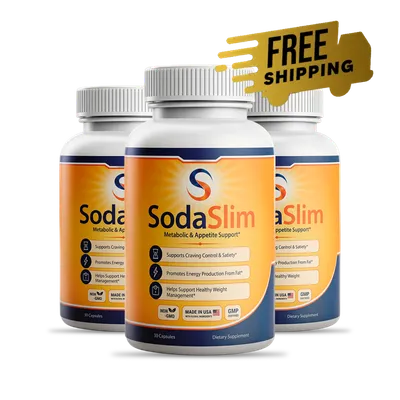
SodaSlim combines five ingredients with clear jobs, and caffeine anhydrous is the one behind the morning energy and alertness. It sits alongside green tea extract and green coffee bean extract (plant extracts popular in metabolism formulas), garcinia extract (included for fullness and fewer cravings) and raspberry ketone. The label lists the goals as Craving Control & Satiety*, Energy Production From Fat* and Healthy Weight Management*.
Using caffeine anhydrous rather than a vague “energy blend” means every capsule delivers the same lift, which makes a once-a-day morning routine predictable. Because the product contains caffeine, the maker recommends one capsule a day, ideally in the morning, and the same cautions as above apply. If you want to see how a morning routine fits around it, our winter arc weight loss guide shows the bigger picture.
Our recommendation: SodaSlim
If you want a simple morning routine that supports your weight goal, SodaSlim is the option we recommend. It is made for exactly this kind of day: one capsule with your first glass of water, a steady morning lift from caffeine anhydrous and support for cravings from the rest of the formula. (SlimSoda Powder, the drink mix we used to recommend, has been discontinued and is no longer available; SodaSlim is a different product from a different maker.)
- One capsule, ideally in the morning. Nothing to measure, mix or stir.
- Five ingredients with clear jobs. Caffeine anhydrous for energy and alertness, garcinia extract for fullness and fewer cravings, plus green tea extract, green coffee bean extract and raspberry ketone.
- Built around the goals. Supports Craving Control & Satiety*, Promotes Energy Production From Fat* and Helps Support Healthy Weight Management*.
- Quality you can check. Non-GMO, made in the USA with global ingredients, in a GMP-certified facility.
- Low risk to try. 2 bottles at $79 per bottle ($158 + $9.99 shipping), 3 bottles at $69 per bottle ($207, free shipping, most popular) or 6 bottles at $49 per bottle ($294, free shipping, best offer). A one-time payment with no subscription and a 60-day money-back guarantee.
The only small catches: it is sold only through the official website, and stock can run limited due to high demand. SodaSlim is a dietary supplement, not a medication, and it works best alongside balanced meals and regular activity; results vary from person to person. It contains caffeine, so anyone pregnant or nursing, under 18, sensitive to stimulants or with high blood pressure should check with a doctor first.
Frequently asked questions
What is caffeine anhydrous?
Caffeine anhydrous is simply caffeine with the water removed. “Anhydrous” means “without water”. It is a fine, dry powder made from caffeine extracted from plants such as coffee beans or tea leaves (or made to the same chemical structure), and it is the form most often used in capsules and supplements because it is stable and easy to measure precisely.
Is caffeine anhydrous stronger than coffee?
It is the same caffeine molecule found in coffee, so milligram for milligram it works the same way. The difference is concentration and consistency: a capsule delivers a measured amount, while the caffeine in a cup of coffee varies with the beans, the brew and the cup size.
How much caffeine is safe per day?
The FDA cites 400 milligrams a day, about four or five cups of coffee, as an amount not generally associated with dangerous, negative effects for healthy adults. People who are pregnant, nursing, sensitive to caffeine, under 18 or taking certain medications may need much less and should ask a doctor.
Does caffeine anhydrous help with weight loss?
Caffeine is not a weight-loss treatment, but it can support energy, alertness and focus, and research suggests it can modestly increase energy use for a short time. Its real value is helping you feel ready for an active, well-organized day, alongside balanced meals and regular movement.
Can I drink coffee if I take SodaSlim?
Many people do, but SodaSlim contains caffeine, so count it together with your coffee, tea, soda and energy drinks. If you notice jitters or poor sleep, cut back on the extra cups and keep caffeine to the morning.
Who should avoid caffeine anhydrous?
Anyone pregnant or nursing, under 18, sensitive to stimulants, with high blood pressure, a heart condition or anxiety, or taking medication should talk to a doctor before using any supplement that contains caffeine. Never use pure powdered caffeine sold in bulk; the FDA warns that it is very easy to take a dangerous amount.